



Minimalist Design Trends vs Maximalism
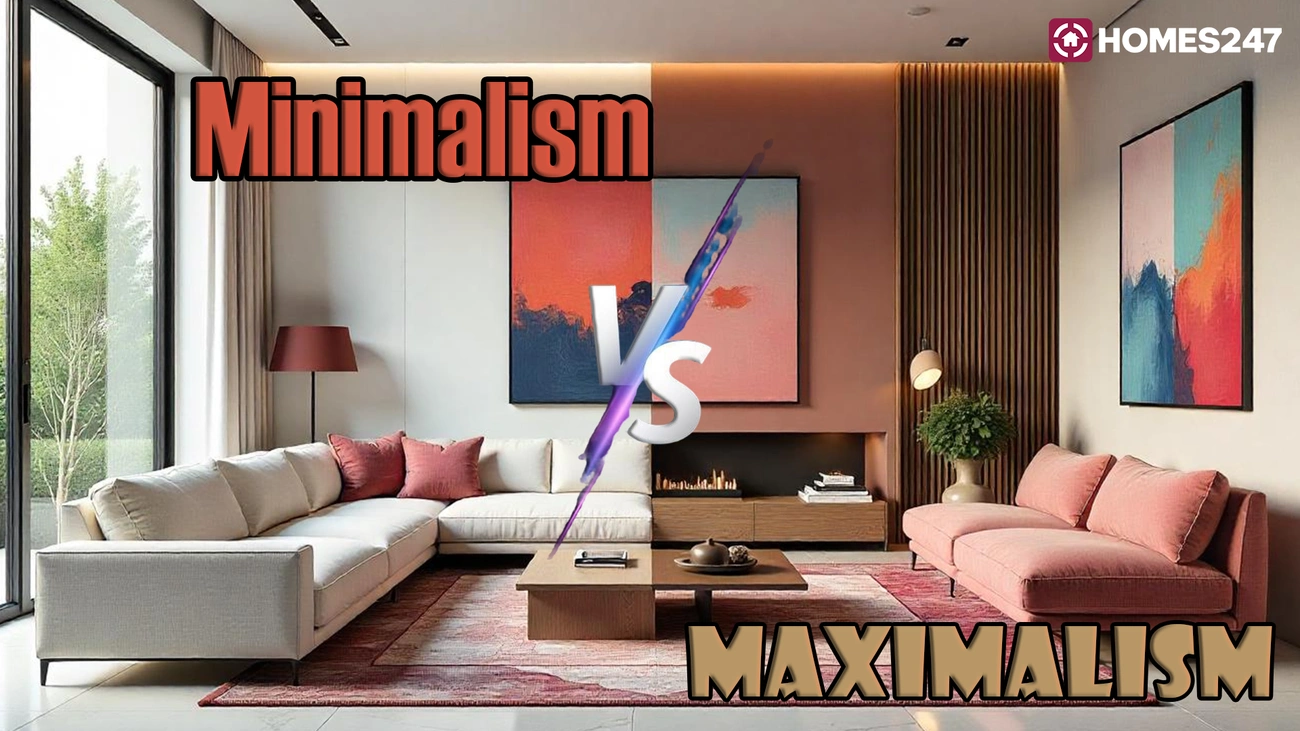
Package design influences 72% of consumers’ buying decisions. This remarkable statistic explains why brands compete fiercely between minimalist design trends and their maximalist counterparts.
The landscape of minimalist design trends 2025 reveals intriguing changes in both philosophies. Minimalism’s core elements of simplicity, functionality and clarity have evolved to become more emotive and adaptive. The maximalist approach has surged back strongly and welcomes boldness, complexity and personality after years of simplified digital experiences.
Your target audience’s preferences determine the most effective approach. Businesses aiming to showcase professionalism, luxury or state-of-the-art solutions often benefit from minimalism. Creative industries and brands that want to create lasting impressions run on maximalist principles.
The next sections will dive into both design philosophies’ core principles, their evolution through 2025, and help you determine which approach – or maybe even a strategic blend – will connect best with your customers.
Minimalism vs Maximalism: Core Design Principles
Minimalism and maximalism represent two opposite paths in design. Each approach has unique features that create different emotional responses from users.
Minimalist Design: Simplicity, clarity, and space
Minimalist design follows the belief that “less is more.” It focuses on simplicity, function, and careful removal of unnecessary elements. Clean lines, open spaces, and essential features define this approach. You’ll find neutral colours like whites, greys, and earth tones that create calm spaces perfect for focus and peace.
Minimalist design stands out through:
- Less visual clutter to help clear thinking
- Smart use of negative space (or “white space”)
- Clean, easy-to-read sans-serif fonts
- Simple colour schemes with few variations
Research shows people work better in minimalist spaces. Their efficiency increases by 20% compared to those working in maximalist environments.
Maximalist Design: Boldness, layers, and expression
Maximalism takes the opposite view with its “more is more” approach. This style runs on rich, deep colours, multiple patterns, and diverse elements that add visual depth. Instead of removing things, maximalism carefully arranges complexity by combining colours, textures, and personal items.
Maximalism shines through:
- Bold pieces that catch the eye
- Multiple patterns and contrasting textures
- Stories told through personal objects
- Rich visual details in carefully planned arrangements
Visual and emotional contrast between the two
These design philosophies create different psychological effects. Minimalism brings calm through simplicity. It reduces mental overload and helps clear thinking. Maximalism sparks creativity and excitement. Studies reveal lively spaces get 60% more participation than minimal ones.
Minimal spaces feel bigger and more peaceful. Maximalist rooms radiate warmth and character. All the same, both styles can work well when planned carefully with the user’s emotional response in mind.
How Design Trends Are Evolving in 2025
Design aesthetics have transformed remarkably in 2025. These changes redefine the limits of both minimalism and maximalism.
Minimalist Design Trends 2025: Emotive and adaptive minimalism
Modern minimalist design has moved away from its clinical, stark roots to become more nuanced and human. Subtle gradients, soft shadows, and customised typography now add emotional depth to simple designs that connect better with people. Designers now favour “soft minimalism” that uses earthy tones and muted pastels instead of harsh whites. Natural materials like timber, linen, and stone add character without creating clutter. Negative space has become a powerful storytelling tool, with strategic gaps that guide viewers’ attention.
Maximalism in 2025: Cultural storytelling and digital layering
Maximalism has made a strong comeback as people tyre of stripped-down digital experiences. This bold approach represents freedom, expression, and identity. Today’s maximalist designs blend digital collage techniques with overlapping textures and diverse elements to create dynamic compositions. Designers now draw inspiration from global cultural influences. They use vibrant textiles, historical symbols, and local storytelling traditions to create visually rich experiences that celebrate diversity. Creative industries have embraced this style. Brands use statement walls, rich jewel-toned colours, and layered textures to create immersive spaces full of personality.
AI and personalisation shaping both styles
AI has revolutionised both design philosophies. AI-powered tools help minimalist designs become more dynamic and data-driven. These same tools ensure maximalist compositions stay functional despite their complexity. Designs from both approaches adapt to users’ priorities, language, location, and behaviour. This technology enables a more nuanced approach. Designs can respond to individual users while maintaining clarity and delivering rich, customised experiences.
Emotional and Functional Impact on Users
Design goes beyond just looking good. Minimalist and maximalist approaches shape how users feel and interact with interfaces. Studies show that customers who feel emotionally connected bring 25% to 100% more value in revenue and profits compared to highly satisfied ones.
User Experience: Calm vs Excitement
A minimalist approach creates order and peace, which helps users think clearly by reducing mental load. Users can make quick decisions and find their way around interfaces faster with this simple, usable design. Simple interfaces can cut down digital stress without losing urgency.
Maximalist designs create memorable experiences that grab attention and stick in people’s minds. Rich, dynamic visuals stir up different emotions and make the user experience more immersive. These designs leave a lasting mark and build stronger brand connections.
Accessibility and performance: Load speed vs visual engagement
Minimalism comes with practical benefits. Faster loading times and simpler navigation make users happier. Quick load times, better mobile response, and easier navigation boost SEO rankings too.
The rich elements in maximalist designs can slow down loading times, which might put off users who don’t want to wait. Designers face a tough choice: they need to balance complex visuals with good performance. The answer lies in smart design rather than picking just one approach.
Emotional resonance: Subtlety vs storytelling
Minimalist design creates peaceful digital spaces through easy interactions, clear feedback, and consistent environments. Users trust this approach because everything is clear and reliable.
The maximalist approach runs on storytelling and weaves rich narratives through visuals and interactions. It lets brands express themselves more freely, which appeals to users looking for unique experiences. A 2023 study in the Journal of Environmental Psychology found that calm environments help people focus and feel less stressed, while maximalist spaces boost creativity.
Hybrid Design: Blending the Best of Both Worlds
Brands now connect with their audiences in new ways as hybrid design approaches gain momentum. These approaches blend minimalist foundations with maximalist accents.
Examples of hybrid layouts in UI/UX
UI/UX design has evolved to embrace hybrid grid layouts. The outer structural grids now contain inner 2×2 layouts with dedicated cells for metrics, previews, controls, and calls to action. This creates a clear hierarchy and keeps things visually interesting. Digital interfaces showcase this perfectly. Designers pair minimalist navigation systems with vibrant content areas that highlight brand personality through texture and colour.
When to combine minimalism with maximalist accents
You’ll find the best opportunities for hybrid design when you need both clarity and character. Here’s what works well:
- Clean, minimalist foundations paired with statement furniture or vibrant artwork
- Simple typography with layered graphics
- Neutral colour palettes with strategic colour highlights
This style works great in compact spaces. The minimalist foundation provides functionality while maximalist accents add personality without making things feel cramped.
Benefits of balance: clarity with personality
Hybrid design creates spaces that energise users without overwhelming them. This balanced approach helps solve a common problem – 38% of users leave unattractive websites. The design stays clear and functional while standing out. Brands can stay professional yet distinctive with this intentional hybrid approach.
Comparison Table
| Aspect | Minimalist Design | Maximalist Design |
|---|---|---|
| Core Philosophy | “Less is more” | “More is more” |
| Design Elements | – Clean lines – Open spaces – Basic features – Purposeful white space – Sans-serif typography |
– Bold statement pieces – Layered patterns – Contrasting textures – Complex visual elements – Carefully arranged designs |
| Colour Scheme | Neutral colours, whites, greys, earth tones | Deep, saturated hues, vibrant colours |
| Emotional Impact | – Creates calmness – Lowers cognitive load – Improves mental clarity |
– Sparks creativity – Builds excitement – Adds warmth – Increases engagement by ~60% |
| 2025 Trends | – Gentle minimalism – Subtle gradients – Soft shadows – Custom typography – Natural materials |
– Digital collage methods – Mixed textures – World culture elements – Moving compositions |
| User Experience | – Quicker decisions – Simple navigation – Less digital stress |
– Lasting impressions – Strong brand connections – Deep engagement |
| Performance | – Quick loading times – Better mobile response – Higher SEO rankings |
– Longer loading times – More visual complexity |
| Best Suited For | Businesses focused on professionalism, luxury, or new ideas | Creative industries and brands wanting memorable impact |
Conclusion
The battle between minimalism and maximalism shows there’s no perfect solution for design success. Both approaches have distinct advantages based on your brand identity and target audience priorities. Minimalist designs create calm, focused experiences where functionality leads the way. These designs appeal to brands that want to convey professionalism, luxury, or state-of-the-art technology. Maximalist designs excel at storytelling and emotional connection, making them perfect for creative industries and brands aiming to create lasting impressions.
By 2025, these once-opposing philosophies have grown beyond their strict boundaries. Minimalism has become warmer and more emotive. Maximalism has evolved into something more purposeful and culturally rich. On top of that, AI-powered personalization has changed both approaches, letting designs adapt to individual users.
Users’ psychological response deserves attention. Clean, minimalist interfaces reduce cognitive load and stress. Vibrant maximalist experiences boost creativity and involvement. Each approach has its drawbacks. Minimalism might feel cold or generic, while maximalism could overwhelm users or slow performance.
Many successful brands now combine minimalist foundations with maximalist accents. These balanced designs keep clarity while adding personality. This approach bridges the gap between functionality and emotional appeal.
Design trends mirror deeper cultural changes in how we process information and connect with brands. The real question isn’t about which style is better. It’s about finding the approach that strikes a chord with your specific audience. Design principles offer great guidance, but your customers’ priorities should shape your final decisions. The most successful designs understand what customers truly want.
FAQs
Q1. What are the key differences between minimalist and maximalist design? Minimalist design focuses on simplicity, clean lines, and essential elements, while maximalist design embraces boldness, layered patterns, and visual complexity. Minimalism aims for clarity and calmness, whereas maximalism seeks to create excitement and stimulate creativity.
Q2. How are design trends evolving in 2025? In 2025, minimalist design is becoming more emotive with soft gradients and personalised typography. Maximalism is incorporating digital collage techniques and cultural storytelling. Both styles are being shaped by AI and personalisation, allowing for more adaptive and user-specific experiences.
Q3. Which design approach is better for user experience? Neither approach is inherently better. Minimalism often leads to faster decision-making and reduced digital stress, while maximalism can create more memorable and engaging experiences. The best choice depends on your brand identity and target audience preferences.
Q4. How does design impact website performance? Minimalist designs typically offer faster loading times and improved mobile responsiveness, which can boost SEO rankings. Maximalist designs, while visually rich, may result in slower loading times. It’s crucial to balance visual complexity with functional performance.
Q5. What is hybrid design and when should it be used? Hybrid design blends minimalist foundations with maximalist accents. It’s ideal when seeking both clarity and character in your design. This approach is particularly effective in compact spaces or when you want to maintain professionalism while standing out. It allows for clear functionality with added personality.