



Why Top Product Design Companies Succeed: Insider Secrets Revealed
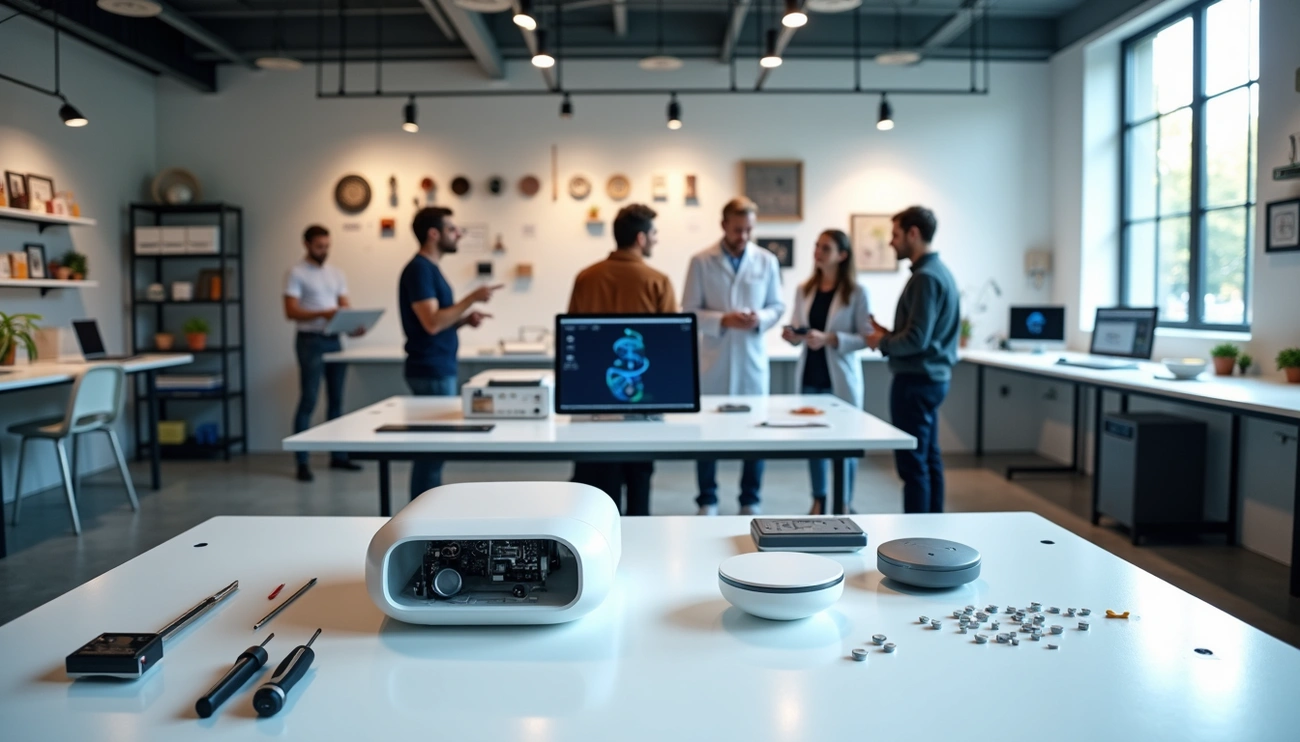
Australian product design companies have quietly turned bold ideas into award-winning products over decades. The country’s top firms have earned more than 270 international design awards. Companies like D+I showcase impressive industry staying power, operating successfully for 38 years. Other leaders have maintained excellence for nearly three decades.
Success patterns emerge when studying these consistently high-performing design companies. The most accomplished product design and development firms share several vital characteristics. Strong cross-functional teams, intuitive approaches, and efficient workflows set them apart. These product design specialists, whether in Melbourne or Sydney, utilise their combined expertise to help businesses realise new opportunities. Many teams bring over 50 years of collective experience to each project.
This piece reveals insider secrets that make top design firms stand out from competitors. We’ll explore their end-to-end development processes and showcase case examples from Australia’s most innovative product design studios.
What Sets Top Product Design Companies Apart
Product design is a highly competitive field, but some companies stand out from the crowd. Three key traits make elite product design firms different from their rivals.
Strong user-focused design principles
Leading product design companies build everything around a deep understanding of their users. These firms put users and their environment first in every project. Their approach looks at the complete user experience rather than individual touchpoints. Bringing users into each design phase creates an early warning system that helps fix designs before problems surface. User-focused design also cuts down the chances of human error and creates safer products.
Cross-functional in-house teams
The best design companies break traditional department barriers by building teams that work together toward shared goals. These mixed teams spark creativity and make product development quicker. Successful teams at product design Melbourne and Sydney firms combine smoothly instead of keeping disciplines separate:
- Engineers, designers, supply chain experts, quality control specialists, and manufacturing teams work as one unit
Teams make decisions faster without waiting for other departments’ input. Designers and developers team up to sketch ideas while checking technical feasibility. They code together to confirm implementations and balance trade-offs as limits come up.
Proven track record with awards and case studies
Awards set top product design and development companies apart. Even with many design awards worldwide, prestigious competitions like Red Dot, iF, Good Design Award, and IDEA still lead the field. These honours show success within the community and offer meaningful recognition from industry leaders. Design awards bring real benefits: they draw potential clients, create publicity, and lift team spirit. Clients see awards as proof their design investment paid off, while getting PR opportunities that last well beyond the ceremonies.
The End-to-End Product Development Process
A methodical development process powers every successful product. Top product design companies use a well-laid-out approach to turn original concepts into market-ready products. This systematic pathway makes sure every detail gets attention during development.
1. Research and user insights
Deep understanding of user needs kickstarts successful product development. Leading design firms use research methods of all types. They start with qualitative approaches to find what users need and what motivates them. Their teams run ethnographic field studies, interviews, contextual studies, and diary studies where users track their activities. These insights help build a clear picture of user behaviour that gives vital direction to design decisions.
2. Concept development and prototyping
The ideation phase starts after research establishes clear user needs. This stage generates many ideas through brainstorming and creative exploration. Designers create thumbnail sketches, develop mood boards and refine concepts step by step. Prototypes bring these ideas to life – starting with basic versions that focus on structure rather than detail. As concepts evolve, detailed prototypes emerge with visuals and interactivity that allow sophisticated feedback.
3. Engineering and testing
Engineering turns designs into working products through systematic development and thorough testing. Industry data shows that some sectors spend about 55% of R&D budgets on performance and durability testing. Testing happens throughout development instead of just at the end. Teams classify activities into inspection, demonstration, test, and analysis phases. Computer-aided engineering (CAE) works alongside physical testing to check if designs meet specifications while cutting costs.
4. Manufacturing and scalability
Manufacturing scalability means increasing production without higher costs, slower processes, or quality issues. Leading product design companies achieve this through flexible manufacturing equipment, advanced automation, strong supply chains, and modular production lines. They use lean manufacturing techniques like just-in-time inventory and Kanban visual workflow systems. These methods help eliminate waste and keep production running smoothly.
5. Post-launch support and iteration
Product launch marks the start of continuous improvement rather than the finish line. Industry research shows that small post-launch changes often boost product adoption more than the launch itself. Top product design companies gather feedback through support teams and sales calls. They also collect data through analytics and user testing to improve products. This iterative approach helps design companies adapt to changing user needs and stay relevant in the market.
Key Success Factors Behind Leading Design Firms
Great products and talented teams aren’t enough. Successful design firms need solid operational strategies to deliver amazing results. The best product design companies use several approaches that make them stand out from their competition.
Agile and iterative workflows
Top product design firms adopt agile methods to quickly adapt to changing needs. These workflows create a well-laid-out path for projects. They ensure clarity and optimise work throughout development. Teams that use agile principles see boosted output because these approaches make tasks efficient and cut down bottlenecks. Agile methods also bring major business benefits. They add flexibility, speed up delivery times, and make customers happier through regular feedback.
Deep industry-specific knowledge
Teams with strong industry knowledge build products 40-60% faster. They create marketing that converts 3x better and build authority that creates lasting competitive edge. This knowledge helps companies spot customer needs early. They design solutions that fit naturally into existing processes and find opportunities others might miss. Teams with deep market understanding make better strategic decisions and boost their success rates.
Investment in emerging technologies
Smart design companies always look for new tools to boost their abilities:
- AI helps speed up early-stage development through faster research, concept creation, and quick iterations
- Advanced prototyping and simulation tools cut development time by a lot
- VR and AR create immersive testing spaces that catch design issues before production
Strong client collaboration and communication
Trust is the foundation of great client relationships in product design. The design process works best with teams and clients working together. This keeps everyone motivated and projects moving forward. Working together cuts down friction and helps team wellness. Clear, ongoing communication prevents mix-ups and expensive changes. Products reach development faster as a result.
Trike: Innovation in medical and scientific sectors
This Melbourne-based company has spent two decades creating innovative solutions for consumer, medical, scientific, and industrial sectors. They work with leading brands and tech innovators to spot opportunities and develop projects from concept to commercial success. The company’s emphasis on agility and clear communication, backed by engineering rigour and in-house verification testing, sets them apart.
hone.pd: From design to distribution
hone.pd provides detailed services in design, manufacturing, and distribution. Their offices in Sydney and Melbourne, plus team members in Italy and China, help them curate innovative brands from Europe, Australia, Asia, and North America. We focused on delivering products that solve ground challenges, and their 50-plus years of combined experience helps businesses unlock new opportunities. The company excels in both large-scale production and specialised machine projects, ensuring commercial success with precision and reliability.
Conclusion
Success in product design comes from a mix of strategic approaches working together. Looking at top design firms shows us that intuitive design principles are the foundations for lasting success. Companies create better products when they really understand their users’ needs and problems.
Teams make all the difference between average and exceptional outcomes. Engineers who cooperate with designers from day one turn technical constraints into state-of-the-art solutions. This explains why Australia’s most successful design studios keep their competitive edge every year.
Industry leaders follow a structured development process that works. Each phase builds on the previous one to ensure nothing gets missed. On top of that, these companies’ agile workflows help them adapt quickly to new insights and market changes.
The best design firms impressed us with their perfect balance of creativity and business sense. They know beautiful designs must work flawlessly and scale quickly in today’s market.
Australian design studios like Cobalt Design, Tilt Industrial Design, Trike, and hone.pd represent these principles perfectly. Their decades of experience and multiple awards prove their methods work. These companies do more than create products—they build lasting partnerships with clients and create new market categories.
Product design success boils down to four key elements: understanding users deeply, having diverse team expertise, following proven methods, and being willing to use both time-tested practises and new technologies. Companies that excel in these areas turn bold ideas into market-leading products, whatever the industry or complexity.
FAQs
Q1. What are the key characteristics of successful product design companies? Successful product design companies typically have strong user-centred design principles, cross-functional in-house teams, and a proven track record demonstrated through awards and case studies. They also employ agile workflows, possess deep industry knowledge, and invest in emerging technologies.
Q2. How do top product design firms approach the development process? Leading product design firms follow a structured end-to-end process that includes research and user insights, concept development and prototyping, engineering and testing, manufacturing and scalability considerations, and post-launch support and iteration. This systematic approach ensures thorough development and successful outcomes.
Q3. Why do product designers earn high salaries? Product designers often command high salaries because their roles have a significant business impact. They align product design with business goals, which can directly affect a company’s bottom line. Their work is closely tied to business strategy and can greatly influence a product’s success in the market.
Q4. How do design companies balance aesthetics with functionality? Top design companies focus on creating products that are both visually appealing and highly functional. They employ user-centred design principles to ensure products meet user needs while also being aesthetically pleasing. This approach involves extensive research, prototyping, and testing to strike the right balance between form and function.
Q5. What role does client collaboration play in product design success? Strong client collaboration and communication are crucial for success in product design. Leading design firms foster trust-based relationships with clients, involving them throughout the design process. This collaborative approach helps maintain project momentum, reduces misunderstandings, and allows for faster development cycles, ultimately contributing to better outcomes.